




Green visits
Waste-Based Circular Economy
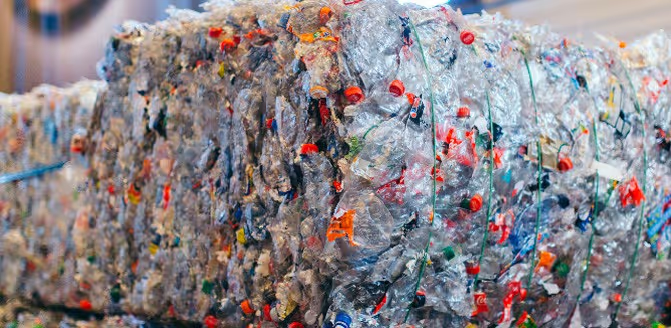
Norway only landfills about 1% of its waste. The rest are exploited. The Oslo region has a number of different measures and waste management systems that have one thing in common: they are all designed to extract the most value from the waste with low environmental impact. Innovation in the sector today is guided by the waste hierarchy and the principles of circular economy.
Legislative measures
Most municipalities in the Oslo region jointly own intermunicipal public companies that provide efficient waste management. The region's practices were heavily influenced by the ban on the disposal of biodegradable waste introduced nationally in 2009. This served as an incentive for many intermunicipal corporations to introduce source sorting of food waste and utilization through energy recycling.
Starting from the waste hierarchy
Energy recovery. Residual waste in the Oslo region is used in energy recovery plants with high energy efficiency. The energy is harnessed as electricity and heat which is distributed via the district heating network. To reduce emissions from the process, Oslo became the first city in the world to pilot CO2 capture and storage at an energy recycling plant.
Material recycling. Textiles, wood, glass, metal, paper and plastics are some of the waste streams with high rates of recycling. Food waste is used as feedstock in biogas production, followed by the production of fertilizers. The biogas becomes fuel for public buses and renovation vehicles. Exploitation of these waste streams is possible thanks to ambitious policies, well-functioning waste systems, innovative technologies and good communication between different actors in the region.
Reuse. Reuse stations and kiosks offer residents of the Oslo region the opportunity to exchange furniture, books or other items that are still in good condition. Events such as Green Friday (as a counter-reaction to Black Friday) have shown impressive commitment from communities working to reduce material consumption.
Avoid. Through targeted awareness and communication, the actors in the region are increasingly concerned to address the problem of inefficient use of resources and to avoid the occurrence of waste. Whether it's an app that helps people share surplus food, a cosmetics company that makes soap from coffee grounds from Oslo's cafes, or a co-working place that hosts repair workshops - all are driven by the same vision: efficient use of resources and lower waste production.
But the best is coming
Oslo has recently taken the lead in a collaboration between European cities as part of the EU's new cooperation methodology Urban Agenda. This will lay the groundwork for identifying new initiatives and collaborative projects that can help realize Oslo's vision of becoming the circular economy capital of the world.

Request visits for your corporate delegation
.avif)
References
BiomimicryNorway
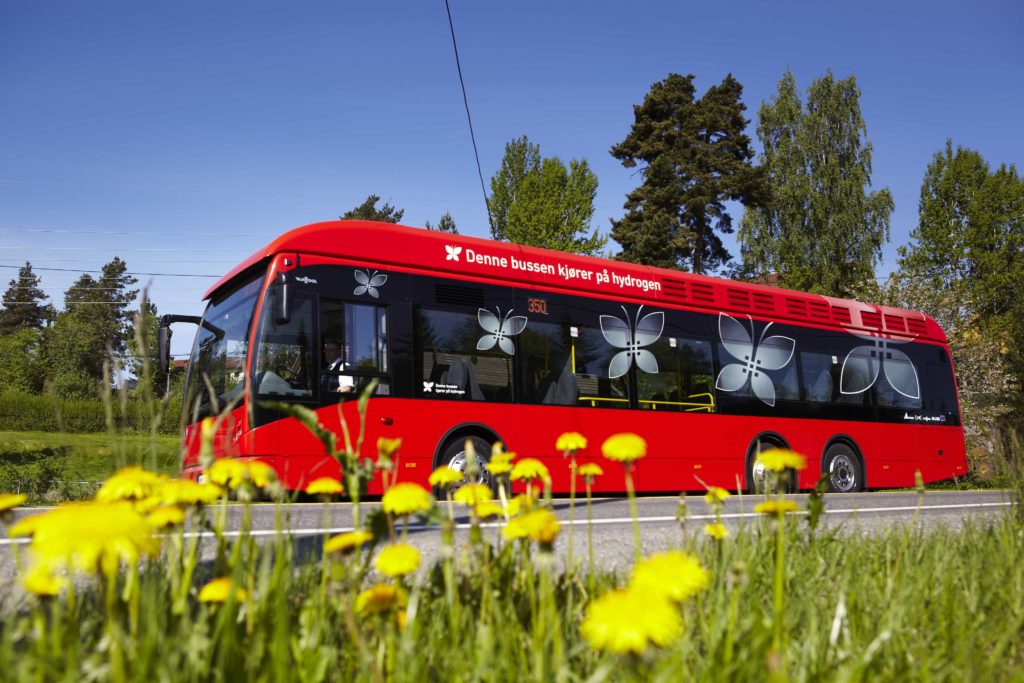
Hydrogen for Transport – Oslo Region in the Forefront
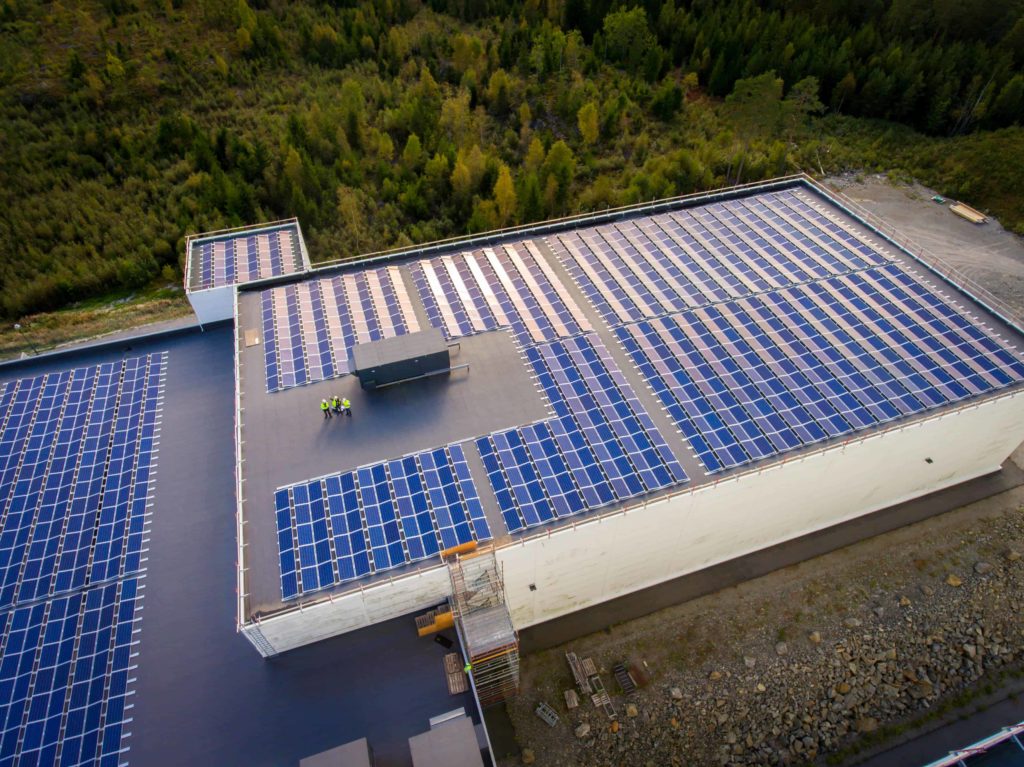
The Oslo Solar Story
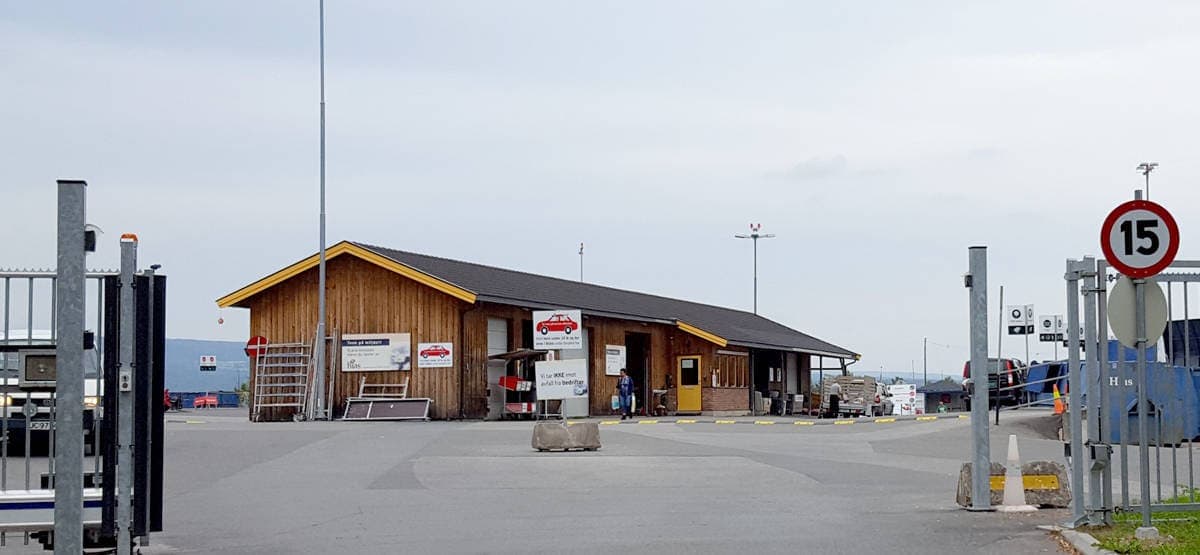
Source separation of household waste and recycling in Hamar
Asplan Viak AS
Tomra Systems ASA